Source 9h sapphire crystal camera protector for mobile phones, cameras, and lens protection
Compare 30 listings of 9h sapphire crystal camera protector designed for mobile phones, cameras, and lens protection. Buyers can evaluate specifications like hardness, transparency, and compatible models from verified suppliers in Guangdong, China.
Key considerations
Products List






Comprehensive Sourcing Guide
Strategic Sourcing Guide for 9H Hardness Camera Lens Protectors
The global demand for mobile device protection has driven a significant evolution in camera lens accessories. Buyers searching for a "9H sapphire crystal camera protector" often encounter a complex market where terminology varies between marketing claims and actual material composition. While the core keyword suggests a specific high-end material, the supplied product data reveals a landscape dominated by high-grade tempered glass and metal-glass composites. This guide provides a disciplined framework for sourcing these components, focusing on verified attributes, technical realities, and procurement strategies that align with the observed market data from Guangdong, China.
Understanding Material Composition and Hardness Standards
The primary challenge in sourcing camera lens protectors lies in distinguishing between marketing nomenclature and physical reality. The term "sapphire crystal" implies a specific synthetic aluminum oxide material known for exceptional scratch resistance. However, the observed product attributes for the 30 items analyzed indicate that the dominant material is "Tempered Glass," often described with high aluminum content or "Japanes Glass." Some listings explicitly state "Metal Camera Glass Film" or "Metals+tempered glass," suggesting a hybrid construction rather than pure sapphire.
Buyers must verify the actual hardness rating against the "9H" claim. In the context of the supplied data, "9H" is a standard observation for hardness, typically associated with the pencil hardness test used for glass. While the data confirms a hardness of 9H for multiple items, it does not confirm the presence of sapphire crystal. Sapphire naturally exceeds 9H on the Mohs scale, whereas high-quality tempered glass achieves 9H through chemical strengthening. When evaluating suppliers, procurement teams should request material safety data sheets (MSDS) or third-party lab reports to confirm if the product is genuine sapphire or high-grade tempered glass. The data shows "High Aluminum" as a raw material, which is consistent with the manufacturing of strengthened glass but does not inherently confirm sapphire.
Technical Specifications and Optical Performance
Optical clarity and physical dimensions are critical for camera lens protectors, as any distortion directly impacts image quality. The supplied product facts highlight a consistent focus on transparency and thickness. A "99% Transmitance HD Clear" rating is frequently observed, alongside "99% Transparency." This high transmission rate is essential for maintaining the fidelity of the mobile phone camera sensor. Buyers should verify that the "HD Clear" claim is backed by specific light transmission percentage data, as marketing terms can be subjective.
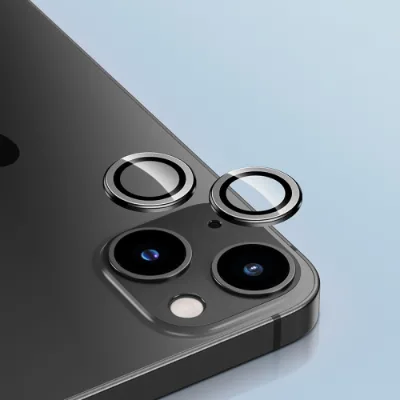
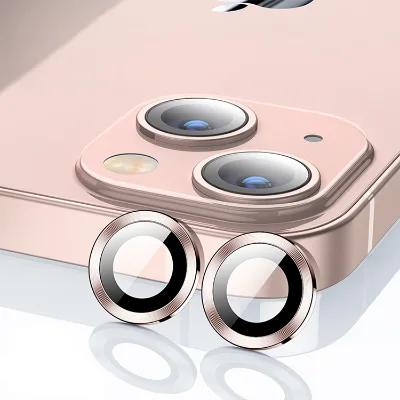
Thickness is another vital specification. The data indicates a standard thickness of "0.33 mm" for several models, with some variations noted. This ultra-thin profile is designed to minimize the distance between the lens and the protector, reducing the risk of double imaging or focus issues. The "radial" or "radian" specifications vary between "2.5D," "3D," and "3 d." These values refer to the curvature of the glass edges, which must match the curvature of the phone's camera module to ensure a seamless fit. A mismatch in radian can lead to gaps where dust and moisture can accumulate, compromising the "Anti-Scratch" and "Dirt-resistant" features.
The following table summarizes the key technical observations from the product data:
| Attribute | Observed Value/Range | Procurement Verification Requirement |
|---|---|---|
| Hardness | 9H | Request Mohs scale test report to confirm surface resistance. |
| Thickness | 0.33 mm | Verify tolerance limits to ensure compatibility with specific phone models. |
| Transparency | 99% | Require spectrophotometer data for light transmission accuracy. |
| Radian | 2.5D, 3D | Confirm physical sample curvature matches the target device lens. |
| Material | Tempered Glass, Metals+Glass | Request material composition certificate to distinguish from sapphire. |
| Quality Grade | Grade AAA, A++ | Define internal acceptance criteria for visual defects and bubbles. |
Compliance, Certification, and Regulatory Checks
In the B2B procurement of electronic accessories, compliance is not merely a formality but a risk mitigation strategy. The supplied data mentions "OEM/ODM: welcome" and "Sample Provided," indicating that many suppliers are capable of customization. However, the data does not explicitly list specific certifications such as ISO 9001, RoHS, or REACH. Buyers must not assume these certifications exist based on the product listing alone.
When sourcing from the "Guangdong, China" region, which is the primary place of origin noted in the data, buyers should conduct rigorous due diligence regarding environmental and safety standards. The "Anti-Explosion" and "Anti-Shock" features listed in the product features suggest that the glass undergoes specific tempering processes. However, without a specific certification number or standard reference in the provided text, procurement teams must request proof of compliance with international safety standards for glass products. This includes verifying that the glass does not shatter into dangerous shards and that the materials used do not contain hazardous substances.
Furthermore, the "Brand Name" varies, with entries like "3hre9ine," "3hree9ine," and "JANIT." This variability suggests a market where private labeling is common. Buyers should ensure that the supplier has the legal right to manufacture and sell products under the desired brand name, especially if the buyer intends to sell the product as their own. Intellectual property checks are essential to avoid infringement claims, particularly when dealing with "compatible brand" listings for specific iPhone models.
Cost Drivers and Pricing Dynamics
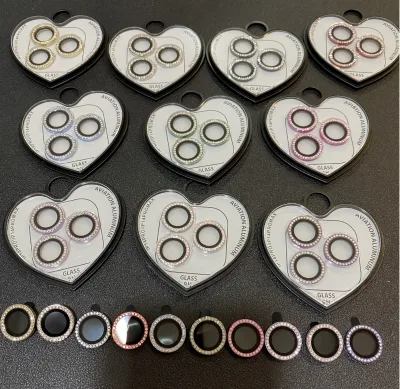
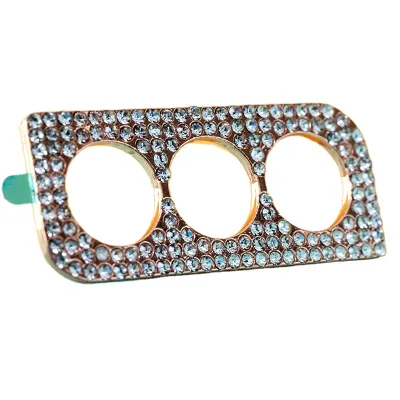
The pricing structure for camera lens protectors is influenced by material costs, manufacturing complexity, and order volume. The observed price range in the data spans from $0.06 to $10.00 USD. This wide disparity indicates that price is heavily dependent on the specific material composition and the level of customization. The lower end of the range likely corresponds to standard tempered glass protectors with basic packaging, while the higher end may reflect premium materials, intricate designs (such as "bling diamonds"), or specialized packaging.
The "MOQ" (Minimum Order Quantity) is a significant cost driver. The data shows an MOQ range of 10 to 2000 units, with a specific entry listing "2000" as the MOQ for a particular model. High MOQs are typical for custom molds or private label runs, as they allow suppliers to amortize setup costs. For buyers with lower volume requirements, the cost per unit may be higher, or they may need to source from suppliers offering lower MOQs, potentially at the expense of customization options.
Packaging also impacts cost. The data lists "Foam Bag" and "Retail Package" as options. A "Retail Package" implies a more complex and expensive packaging solution compared to a simple foam bag. Buyers must balance the cost of packaging against the perceived value of the product in their target market. Additionally, the "Single gross weight" of 0.020 kg to 0.02 kg suggests that shipping costs will be relatively low per unit, but volume and weight calculations are necessary for accurate freight estimation.
Supplier Evaluation and Compatibility Verification
Evaluating suppliers requires a focus on their ability to meet specific compatibility requirements. The product data lists a wide array of "Compatible Model" entries, ranging from "iPhone 11" to "iPhone 16 Pro Max." This indicates that suppliers must maintain a robust inventory of molds or have the capability to quickly switch production lines. The "model number" varies, with entries like "CAM009" and "fro iPhone," suggesting that buyers need to verify the exact model number against their target device to ensure a perfect fit.
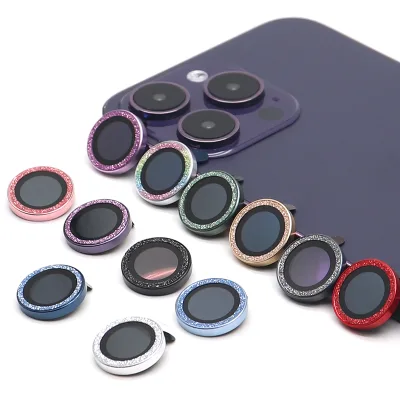
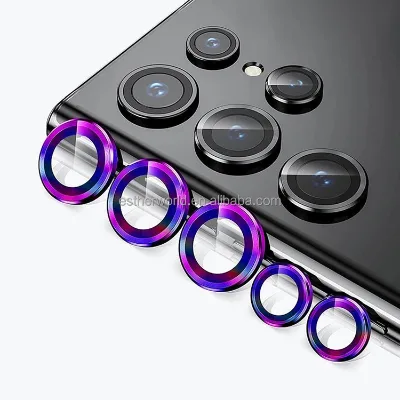
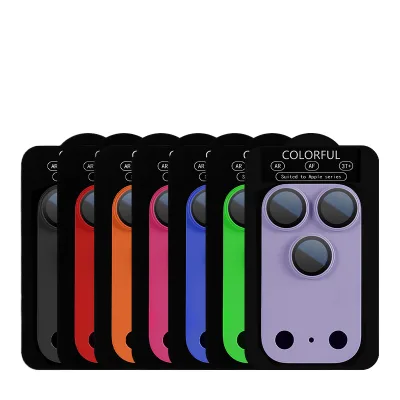
The "Style" is noted as "Fanshion" (likely a typo for Fashion), and colors include "Black, Blue, Purple, Gold, Silver," and "Colorful." This variety suggests that suppliers are catering to a market that values aesthetics alongside protection. Buyers should assess the supplier's ability to maintain color consistency across batches, as this is a common quality issue in mass production. The "3D" and "2.5D" radian specifications must be strictly verified against the physical device to prevent installation issues.
When evaluating a supplier, buyers should request physical samples to test the "Anti-Fingerprint," "Anti-Oil," and "Bubble Free" claims. The data mentions "FULL GLUE" and "FULL COVERAGE" as features, which implies a specific adhesive application method. Buyers should test the adhesive strength and residue removal to ensure the protector can be replaced without damaging the camera lens. The "Sample Provided" attribute is a positive indicator, but the quality of the sample should be scrutinized before committing to a large order.
Quality Control and Long-Term Procurement Strategy
Implementing a robust quality control (QC) process is essential for maintaining product integrity. The data lists "Quality: Grade AAA" and "A++," which are internal grading systems used by suppliers. Buyers should define their own QC standards that align with these grades. Key inspection points should include visual defects, edge chipping, and the uniformity of the "9H" hardness across the surface. The "Anti-Scratch" and "Anti-Explosion" features should be validated through drop tests and scratch tests using standardized equipment.
For long-term procurement, buyers should consider the scalability of the supplier. The "OEM/ODM: welcome" note suggests flexibility, but buyers must ensure the supplier has the capacity to scale production without compromising quality. The "place of origin: Guangdong, China" indicates a mature manufacturing hub, but buyers should verify the supplier's production capacity and lead times, as these are not explicitly provided in the data. Establishing a clear communication channel for quality issues and returns is also critical.
Finally, buyers should monitor the "compatible brand" listings closely. As new phone models are released, suppliers must update their molds and inventory. A supplier that can quickly adapt to new releases, such as the "iPhone 16" series mentioned in the data, is more valuable than one with a static inventory. By focusing on technical verification, compliance checks, and supplier flexibility, buyers can navigate the complex market of camera lens protectors and secure high-quality products that meet their specific needs.
FAQs
What material is used for 9h sapphire crystal camera protectors?
The product data indicates these protectors are primarily made of tempered glass or metal-glass composites rather than genuine sapphire. Some listings specify high aluminum content or Japanese glass, but buyers must request lab reports to confirm if the material is actual sapphire or high-grade tempered glass.
How thick are the 9h sapphire crystal camera protectors?
The observed thickness for these protectors is consistently 0.33 mm across multiple models. This ultra-thin profile is designed to minimize the distance between the lens and the protector, reducing the risk of double imaging or focus issues on compatible iPhone models.
Which hardness rating do these camera lens protectors achieve?
The listed products consistently claim a 9H hardness rating based on the pencil hardness test. While this indicates strong scratch resistance, it does not confirm the presence of sapphire crystal, which naturally exceeds 9H on the Mohs scale, so verification is required.
Can I find these protectors with high transparency and clarity?
Yes, the product facts show a 99% transparency rating with HD clear transmission. This high light transmission is essential for maintaining image fidelity, though buyers should verify this with spectrophotometer data to ensure the marketing claims match the actual optical performance.
What is the minimum order quantity for these protectors?
The observed MOQ range spans from 10 to 2000 units, with specific models requiring 2000 units. Higher MOQs are typical for custom molds or private label runs, while lower volumes may incur higher per-unit costs or limit customization options for buyers.
Which iPhone models are compatible with these camera protectors?
The products are compatible with a wide range of iPhone models including the iPhone 11 through the iPhone 16 series. Buyers must verify the exact model number and radian specifications, such as 2.5D or 3D, to ensure a seamless fit without gaps for dust or moisture.